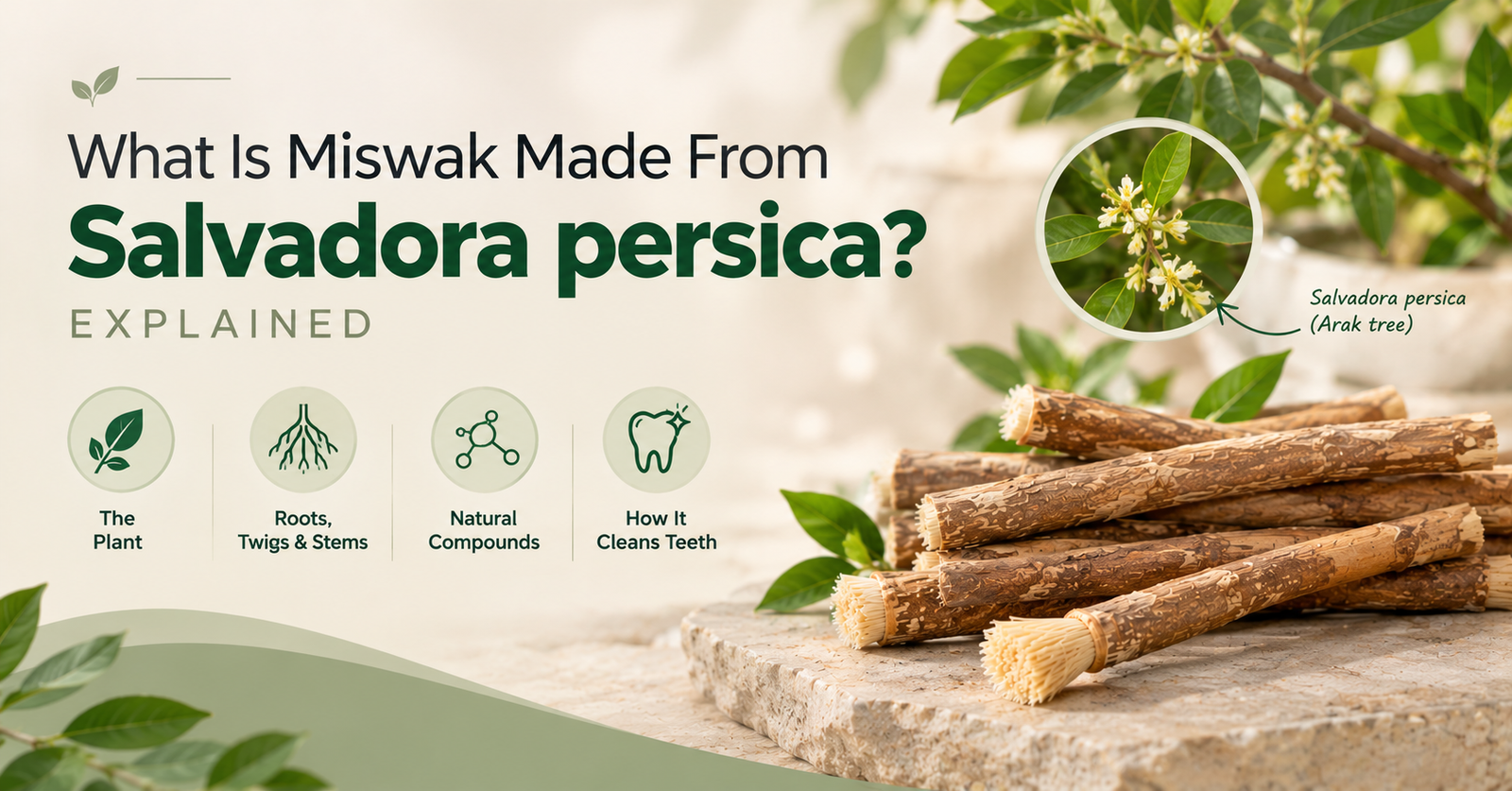
Miswak is a natural teeth-cleaning stick traditionally made from the roots, twigs, and stems of the Salvadora persica plant. Also known as the Arak tree or toothbrush tree, this plant has been used for generations as a simple tool for oral hygiene.
But what makes Miswak suitable for cleaning teeth? The answer lies in its natural fibres and the compounds found in the plant.
In this guide, we explain what Miswak is made from, where the plant grows, what it contains, and what consumers and businesses should know about authentic Miswak.
What Is Miswak Made From?
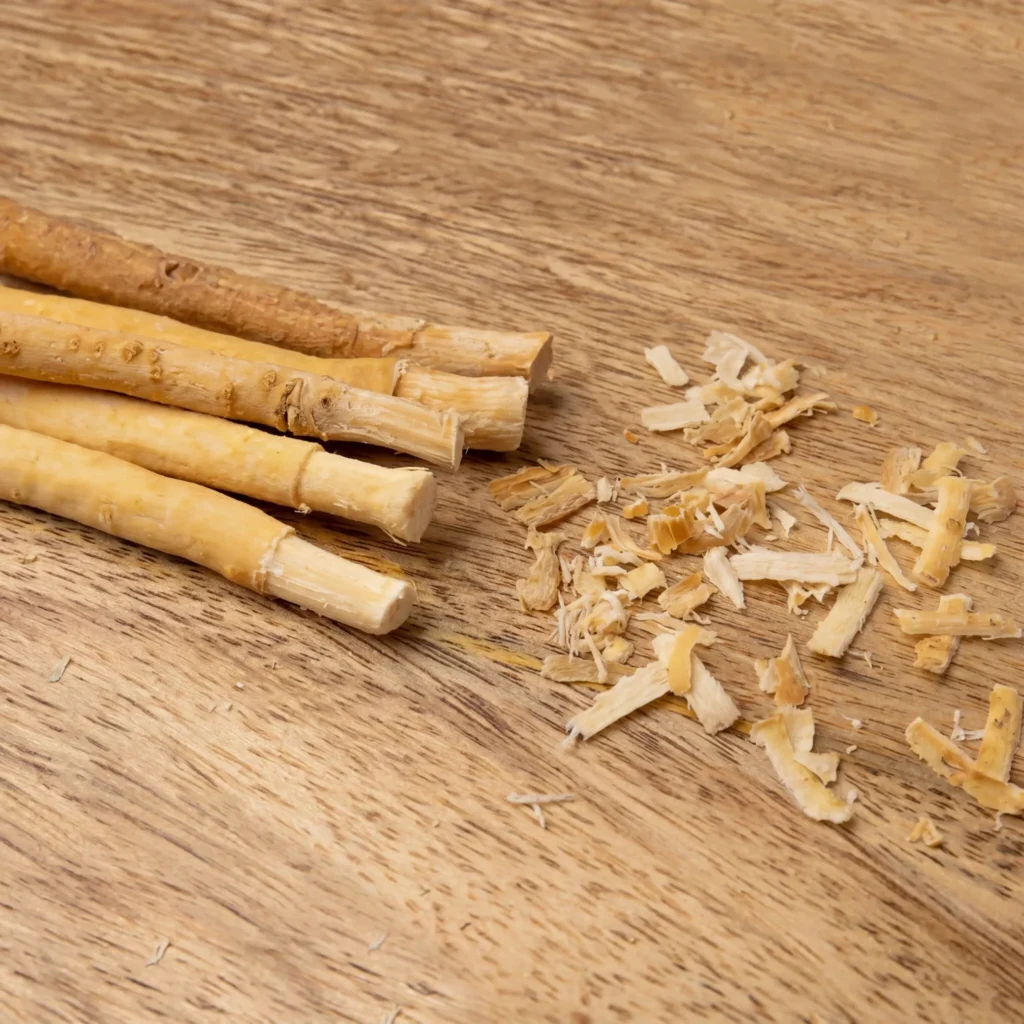
Traditional Miswak is commonly prepared from parts of the Salvadora persica plant, particularly its roots, twigs, and small branches. The exact part used can vary depending on local practices and how the sticks are sourced.
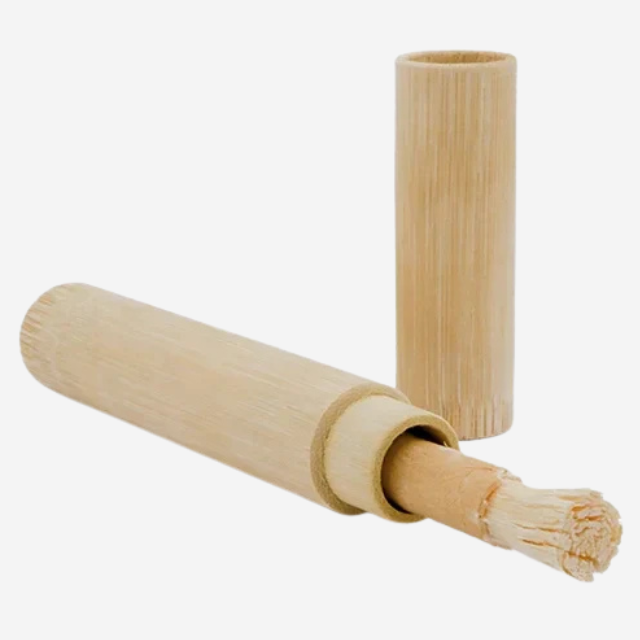
When one end of a Miswak stick is gently chewed, its fibres separate and form a brush-like tip. This tip can then be used to clean tooth surfaces.
Unlike a conventional toothbrush, Miswak does not require a manufactured bristle head. Its natural fibres provide the physical cleaning action.
According to a scientific review published in the Saudi Dental Journal, Miswak from Salvadora persica has a long history of use as a traditional oral-hygiene tool.
What Is Salvadora persica?
Salvadora persica is a plant species belonging to the Salvadoraceae family. It grows naturally across parts of Africa, the Middle East, the Arabian Peninsula, and South Asia, including Pakistan.
The plant is commonly known as the toothbrush tree because its small roots and branches can be prepared into chewing sticks for cleaning teeth. In different regions, it is also associated with names such as Arak and Peelu.
The plant is well adapted to hot, dry environments and can tolerate saline soils. These characteristics allow it to grow in areas where many other plants may struggle.
For more botanical information, see the Royal Botanic Gardens, Kew profile of Salvadora persica.
Why Is It Called the Toothbrush Tree?
The name comes from the way the plant’s fibres behave when a stick is prepared for use.
After the outer layer is removed from one end, gentle chewing separates the fibres into a soft, brush-like tip. The user can then move this tip across the teeth to help remove surface deposits.
This natural structure is one of the main reasons Salvadora persica has been used for traditional teeth cleaning for so long.
What Natural Compounds Does Miswak Contain?
Research has identified several chemical compounds and minerals in Salvadora persica. Their amounts can vary according to the plant part, growing conditions, and methods used to analyse the material.
Some compounds studied in Miswak include:
- Silica: A mineral compound that may contribute to the removal of surface stains through mechanical cleaning.
- Tannins: Plant compounds with astringent properties that have been studied for their potential effects on oral tissues.
- Sulfur-containing compounds: Certain compounds found in the plant have been investigated for antimicrobial activity.
- Benzyl isothiocyanate (BITC): A compound studied for its activity against certain microorganisms in laboratory research.
- Minerals, including chloride and fluoride: These have been reported in analyses of Salvadora persica, although their levels and availability can vary.
- Other plant compounds: Research has also identified substances such as flavonoids, saponins, and sterols in different parts of the plant.
A review of the phytochemical properties of Miswak discusses these compounds and their potential biological activities.
It is important to distinguish laboratory findings from proven health outcomes. The presence of a compound does not automatically mean that a Miswak stick delivers a predictable dose or provides a specific medical benefit.
How Does Miswak Help Clean Teeth?
Miswak’s cleaning action comes from a combination of its physical fibres and the substances released from the plant during use.
1. Mechanical Cleaning
The brush-like fibres help remove food debris and dental plaque from tooth surfaces when used with the correct technique.
2. Naturally Occurring Compounds
Some compounds found in Salvadora persica have shown antimicrobial activity in laboratory studies. Researchers continue to investigate how these substances may contribute to oral hygiene during actual use.
3. Saliva Stimulation
Chewing and using a Miswak stick may stimulate saliva production. Saliva helps moisten the mouth and plays a natural role in maintaining the oral environment.
Research on Miswak is promising, but its effectiveness depends on proper use. For cavity prevention, Miswak should not automatically be considered a replacement for fluoride toothpaste.
Is Every Miswak Made From Salvadora persica?
No. Various plants have traditionally been used to make chewing sticks for oral cleaning. However, Miswak commonly refers to sticks made from Salvadora persica.
Sticks made from other plants, such as neem, may also be used for teeth cleaning, but they come from different botanical sources.
For consumers, checking the botanical source is a useful way to understand what they are buying. For distributors and importers, clear product descriptions help customers distinguish traditional Miswak from other types of natural chewing sticks.
What Should Buyers Look for When Sourcing Miswak?
For retailers, wholesalers, and importers, the botanical source is only one part of product evaluation. Consistency, preparation, packaging, and supplier transparency also matter.
Consider these points when assessing a Miswak supplier:
- Botanical source: Confirm that the product is identified as Salvadora persica Miswak.
- Product consistency: Ask about available stick lengths, thicknesses, and selection standards.
- Preparation and handling: Understand how the sticks are cleaned, prepared, and protected during packing.
- Packaging options: Check whether individual packaging or private-label options are available.
- Supplier communication: Choose a supplier that can clearly explain its specifications and order requirements.
These details help businesses assess whether a product is suitable for their customers and target market.
Frequently Asked Questions
1. Is Miswak made from wood?
Miswak is made from parts of the Salvadora persica plant, including roots, twigs, and stems. These plant materials contain fibres that can be separated into a brush-like tip.
2. What is the scientific name of the Miswak tree?
The botanical name commonly associated with traditional Miswak is Salvadora persica. The plant is also known as the Arak tree or toothbrush tree.
3. Does Miswak naturally contain fluoride?
Fluoride has been reported in analyses of Salvadora persica. However, its amount and availability can vary. Its presence alone does not establish that a Miswak stick provides the same cavity protection as fluoride toothpaste.
4. Is Miswak made from roots or branches?
Both can be used. Traditional Miswak may come from the roots, twigs, or stems of Salvadora persica, depending on the source and preparation method.
5. How can I check whether Miswak is authentic?
Start by checking whether the supplier identifies the botanical source as Salvadora persica. Ask for clear product specifications and information about sourcing and preparation rather than relying only on appearance or marketing claims.
Final Thoughts
Miswak is a traditional teeth-cleaning stick commonly made from the roots, twigs, and stems of Salvadora persica. Its natural fibres provide mechanical cleaning, while researchers continue to study the plant’s chemical composition and potential role in oral hygiene.
Understanding the plant behind Miswak helps consumers make informed choices and gives distributors a clearer basis for evaluating products and suppliers.
Al Ghani International, based in Lahore, Pakistan, manufactures and exports Peelu Miswak sticks for wholesale and private-label requirements. Businesses interested in sourcing Miswak can contact the company to discuss product specifications, packaging options, and order quantities.