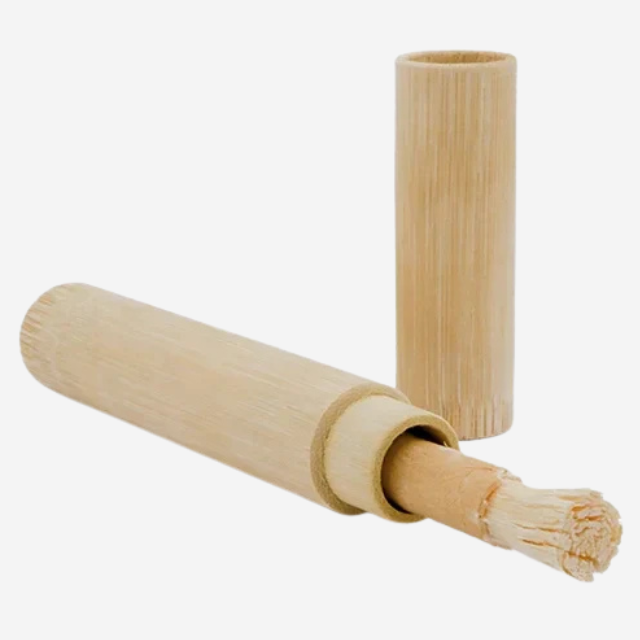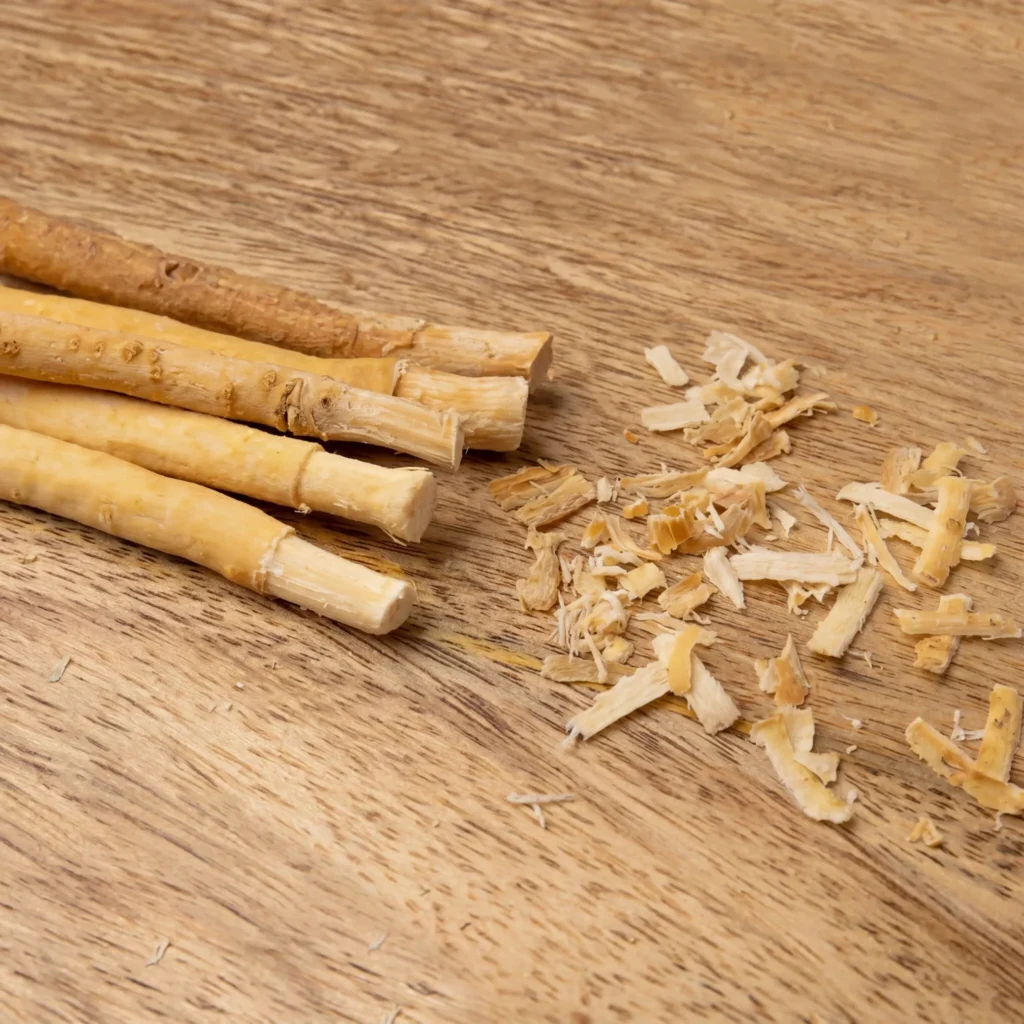
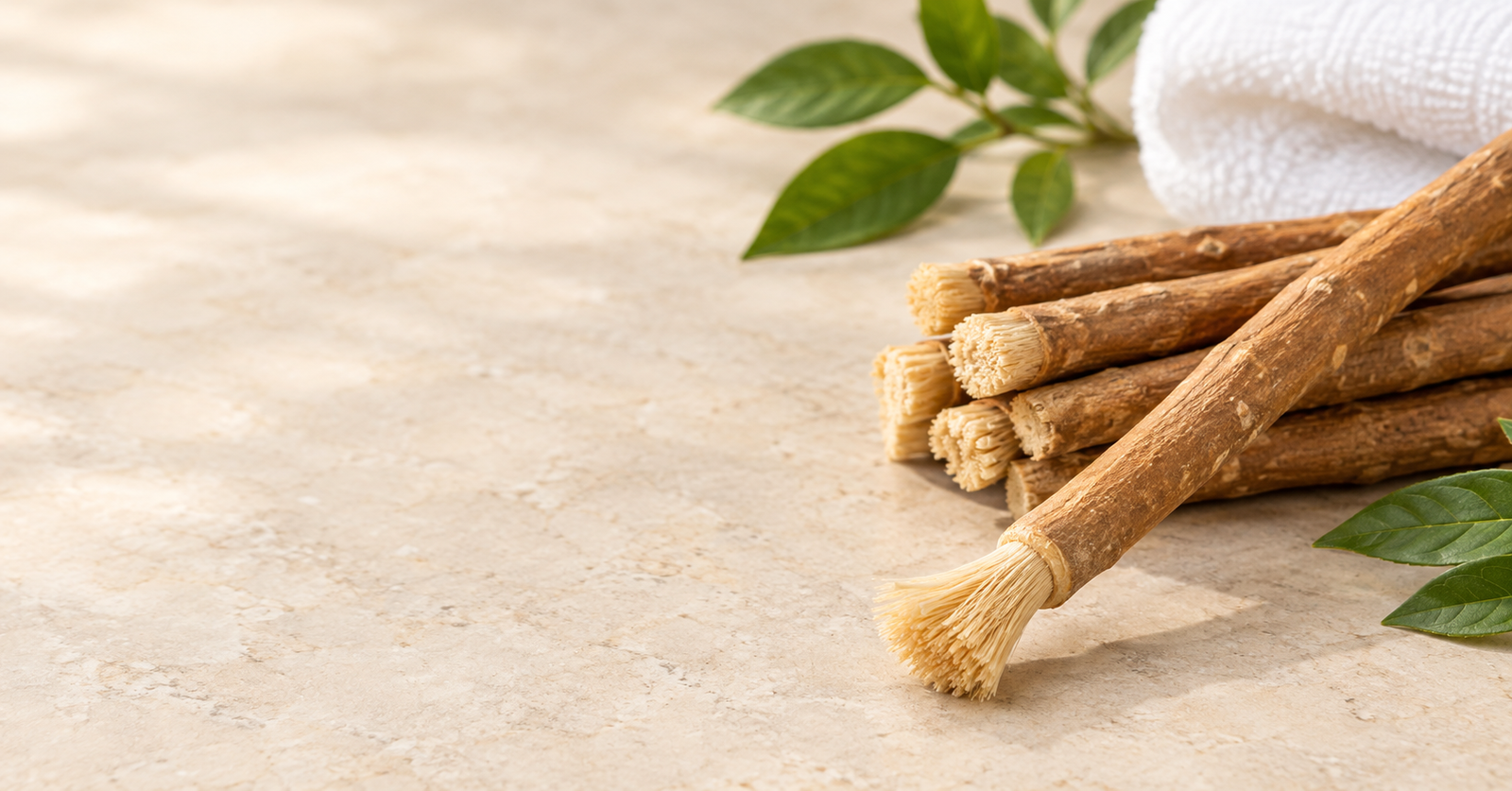
Miswak sticks can help remove dental plaque, support gum health and freshen breath when used correctly. Scientific research suggests that miswak can be an effective tool for maintaining oral hygiene, although the strength of evidence varies by benefit. It is also important to use miswak gently and continue brushing with fluoride toothpaste to help protect against tooth decay.
Miswak, also known as siwak or sewak, is a traditional teeth-cleaning stick commonly made from the Salvadora persica tree, often called the Arak tree. It has been used for generations as a natural oral hygiene tool.
But what are the actual benefits of miswak sticks, what does research tell us, and how can you use them safely?
What Are the Main Benefits of Miswak Sticks?
- Helps Remove Dental Plaque
Dental plaque is a sticky film of bacteria that builds up on teeth. If it is not removed regularly, it can contribute to gum inflammation and tooth decay.
Miswak contains natural plant fibres that help clean tooth surfaces through gentle mechanical action. A 2022 systematic review and meta-analysis found that miswak achieved plaque scores comparable to those of conventional toothbrushes in the studies reviewed.
The effectiveness of miswak depends on using the correct technique and cleaning all tooth surfaces thoroughly. Simply chewing a miswak stick without properly cleaning the teeth may not provide the same benefits.
- May Support Gum Health
Gingivitis is inflammation of the gums that commonly develops when plaque accumulates around the gumline. Symptoms can include redness, swelling and bleeding during brushing.
The same systematic review found that miswak performed comparably to conventional toothbrushes for measured gingivitis outcomes. Studies examining miswak alongside toothbrushing also reported improvements in plaque and gingivitis scores.
However, the research has limitations, including inconsistent reporting of how frequently participants used miswak and how they handled it.
Miswak may support gum health as part of a consistent oral hygiene routine, but it should not be considered a treatment for advanced gum disease. If your gums bleed persistently or become swollen, consult a dental professional.
Read the systematic review on miswak and gingival health.
- Contains Compounds Studied for Antimicrobial Properties
Salvadora persica contains naturally occurring plant compounds that researchers have investigated for their potential antimicrobial activity.
Laboratory studies suggest that some of these compounds may affect certain oral microorganisms. However, laboratory findings do not necessarily demonstrate that using a miswak stick will prevent infections or treat dental diseases in everyday use.
Miswak’s practical role in oral hygiene includes the mechanical cleaning action of its fibres. Claims that it eliminates all harmful oral bacteria or guarantees protection against dental disease go beyond what the evidence establishes.
- Can Help Freshen Breath
Food debris and plaque can contribute to unpleasant breath. By helping clean tooth surfaces and remove debris, miswak may support fresher breath as part of a regular oral hygiene routine.
However, persistent bad breath can also be associated with gum disease, dry mouth and other conditions. Miswak may help with oral cleanliness, but it will not address every underlying cause.
- Provides a Convenient, Portable Cleaning Option
Miswak is compact and convenient to carry, making it a practical option when travelling or when a conventional toothbrush is not readily available.
It can be prepared and used as a standalone cleaning stick, but convenience does not guarantee thorough cleaning. The user still needs to clean the front, back and chewing surfaces of the teeth carefully.
For people who value traditional oral hygiene practices, miswak can be incorporated into a broader routine without abandoning established dental care recommendations.
What Does Scientific Research Say About Miswak?
Scientific studies have examined miswak for plaque removal, gum health and potential antimicrobial effects.
A systematic review and meta-analysis published in 2022 included ten eligible studies, nine of which were analysed quantitatively. It found that miswak was comparable to conventional toothbrushes for mean plaque and gingivitis scores. Using miswak alongside toothbrushing also showed additional benefits in the studies analysed.
These results are promising, but they do not prove that every miswak product or method of use will produce the same results. The researchers noted limitations in how studies reported miswak usage and frequency.
The evidence also varies by outcome. Findings about plaque control and gingivitis should not automatically be interpreted as proof that miswak prevents cavities, whitens teeth substantially or treats established dental disease.
For a balanced overview, read the published systematic review and meta-analysis.
The key takeaway: Miswak has research support as a tool for plaque control and gum health, but it should be used correctly and alongside appropriate dental care.
Miswak vs. a Conventional Toothbrush
| Feature | Miswak stick | Conventional toothbrush |
| Cleaning action | Natural plant fibres clean tooth surfaces | Bristles clean tooth surfaces |
| Plaque control | Research suggests comparable results in some studies | Established method of daily oral hygiene |
| Portability | Compact and easy to carry | Requires a separate brush |
| Fluoride delivery | A plain miswak stick does not provide the same fluoride delivery as fluoride toothpaste | Can be used with fluoride toothpaste |
| Technique | Requires careful handling and gentle cleaning movements | Requires correct brushing technique and adequate coverage |
Both methods depend on consistent and thorough cleaning. The American Dental Association recommends brushing twice daily for two minutes with fluoride toothpaste.
For this reason, using miswak alongside conventional brushing is a practical option for people who want to enjoy its traditional benefits while maintaining fluoride-based cavity protection.
How to Use a Miswak Stick Correctly
Correct technique matters because excessive pressure or repeated rubbing in one area may irritate the gums.
- Prepare the tip. If necessary, trim a small amount from the end and gently chew or soften it until the fibres separate into a brush-like tip. Follow the product’s preparation instructions.
- Clean gently. Use short, controlled movements across the tooth surfaces and near the gumline. Avoid forceful scrubbing.
- Clean all areas. Pay attention to the front, back and chewing surfaces of the teeth rather than focusing only on the visible front teeth.
- Maintain the fibres. Rinse the tip after use and trim worn fibres when necessary. Store the stick in a clean, dry and ventilated place, following the supplier’s guidance.
- Monitor your gums. If you experience soreness, increased bleeding or signs of gum recession, stop or adjust your technique and seek dental advice if the problem persists.
Do not share your miswak stick. Keeping it clean and maintaining the tip are important parts of responsible use.
Are There Any Risks or Limitations?
Miswak is a traditional oral hygiene tool, but natural products are not automatically risk-free.
Gum irritation and recession: Research on miswak use and gingival recession has produced mixed findings. Some studies have reported greater recession among miswak users, while others found no clear difference. Technique, frequency and the way the fibres contact the gums may influence the outcome.
Potential tooth wear: Repeated, forceful rubbing with a rough or poorly maintained tip may contribute to irritation or mechanical wear. Use gentle pressure and replace or trim worn fibres as needed.
Limited evidence for some benefits: Miswak may help remove surface debris and stains through physical cleaning, but evidence for predictable whitening is limited. It should not be promoted as a guaranteed treatment for cavities, gum disease or other dental conditions.
Fluoride remains important: A plain miswak stick should not be assumed to provide the same cavity protection as fluoride toothpaste. Continue using fluoride toothpaste unless your dental professional advises otherwise.
If you have persistent gum bleeding, pain, sensitivity or visible gum recession, seek advice from a qualified dental professional rather than relying on miswak alone.
Frequently Asked Questions
Does miswak remove plaque?
Yes. Research suggests that miswak can help remove dental plaque, with some studies reporting results comparable to conventional toothbrushing. Correct technique and thorough cleaning are important.
Can miswak whiten teeth?
Miswak may help remove some surface debris and stains, but evidence for substantial or predictable whitening is limited. It should not be expected to change the natural colour of teeth like a professional whitening treatment.
Can miswak replace a toothbrush and toothpaste?
Miswak can be used as a cleaning tool, but the general recommendation is to continue brushing twice daily with fluoride toothpaste. Miswak can complement a regular oral hygiene routine.
How should miswak sticks be stored?
Keep the stick clean and follow the supplier’s storage instructions. Avoid leaving it in persistently damp, unclean conditions, and check the fibres for deterioration before use.
Final Thoughts
Miswak sticks offer a traditional and portable way to clean teeth. Scientific research supports their potential to help control plaque and maintain gum health, although evidence is not equally strong for every claimed benefit.
For responsible use, clean your teeth gently, maintain a clean miswak tip and continue brushing with fluoride toothpaste. Seek professional dental advice if you experience persistent gum problems or other oral health concerns.
Al Ghani International supplies miswak products for individual and wholesale requirements. Buyers interested in sourcing miswak sticks can explore our Peelu miswak sticks and learn more about our wholesale and bulk miswak supply and quality and manufacturing processes.